Communicable Diseases

Communicable diseases remain one of the leading causes of death and disability worldwide — and despite decades of progress, new threats continue to emerge. From re-emerging infections like measles and tuberculosis to zoonotic outbreaks and antimicrobial resistance, the infectious disease landscape is constantly shifting.

This hub delivers up-to-date, evidence-based coverage of communicable diseases for medical students, public health professionals, and curious readers. Grounded in WHO data and peer-reviewed research, it connects global outbreaks to the clinical and public health principles that matter most.

Topics covered include:

  • Vaccine-preventable diseases and immunization programs
  • Outbreak surveillance and epidemic response
  • Tuberculosis, malaria, and India’s infectious disease burden
  • Zoonotic diseases and One Health perspectives
  • Antimicrobial resistance (AMR) and infection control
  • Research angles and PICO frameworks for communicable disease studies

Stay informed. Understanding how infections spread — and how they’re stopped — is foundational to both clinical practice and public health research.

Antibiotic capsules and bacterial culture in a petri dish representing the global antimicrobial resistance (AMR) crisis addressed by the WHO Global Action Plan on Antimicrobial Resistance 2026–2036

Global Action Plan on Antimicrobial Resistance 2026–2036: What It Means for the World’s Most Urgent Health Crisis

At the 79th World Health Assembly, nations adopted the Global Action Plan on Antimicrobial Resistance 2026–2036 — a decade-long One Health blueprint to cut drug-resistant infection deaths, strengthen surveillance, and preserve the medicines that modern healthcare depends on.
🎯 KEY INSIGHT: AMR could kill 39 million people by 2050 without immediate action
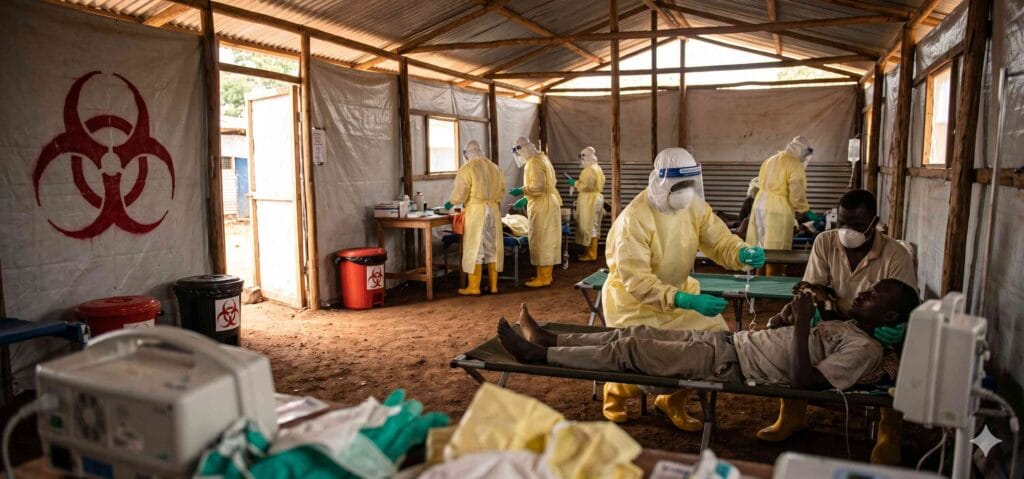
Healthcare workers in PPE treating Bundibugyo Ebola virus disease patients at an isolation unit in DRC during the 2026 outbreak, highlighting the global health equity crisis in neglected tropical diseases

Bundibugyo Ebola Outbreak 2026: How a Forgotten Virus Exposes the Global Health Equity Crisis

The 2026 Bundibugyo Ebola outbreak in DRC and Uganda — declared a global health emergency — has no approved vaccine or cure, revealing a systemic crisis in how the world funds and prioritises diseases of the poor.
🎯 KEY INSIGHT: No vaccine exists for Bundibugyo Ebola — global health equity demands urgent reform.
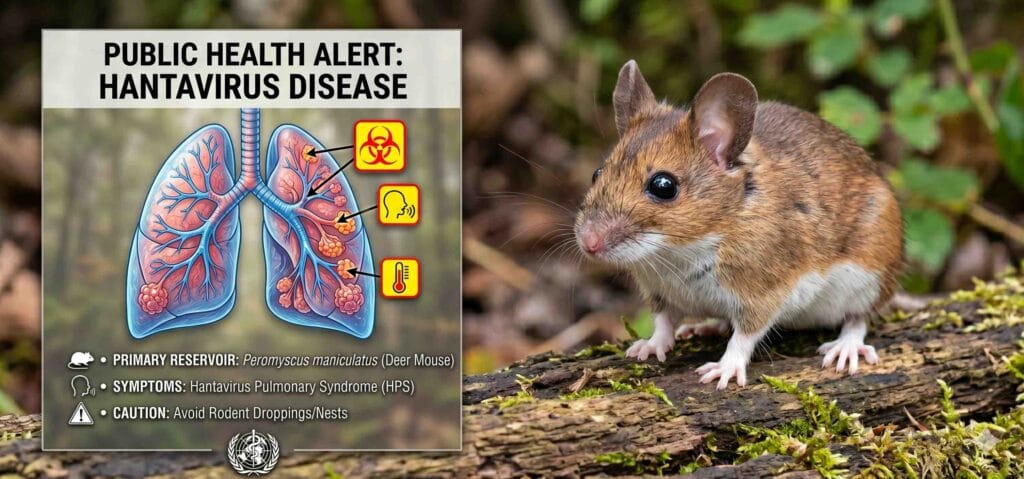
Deer mouse in natural habitat, the primary carrier of Hantavirus responsible for Hantavirus Pulmonary Syndrome (HPS)

Hantavirus 2026: Symptoms, Transmission, Treatment & How to Stay Safe

A deadly Andes virus outbreak aboard cruise ship MV Hondius in 2026 has put Hantavirus back in global headlines. Understand the symptoms, transmission risks, and essential prevention strategies to protect yourself and your loved ones.
🎯 KEY INSIGHT: Hantavirus kills fast — early recognition and supportive care save lives
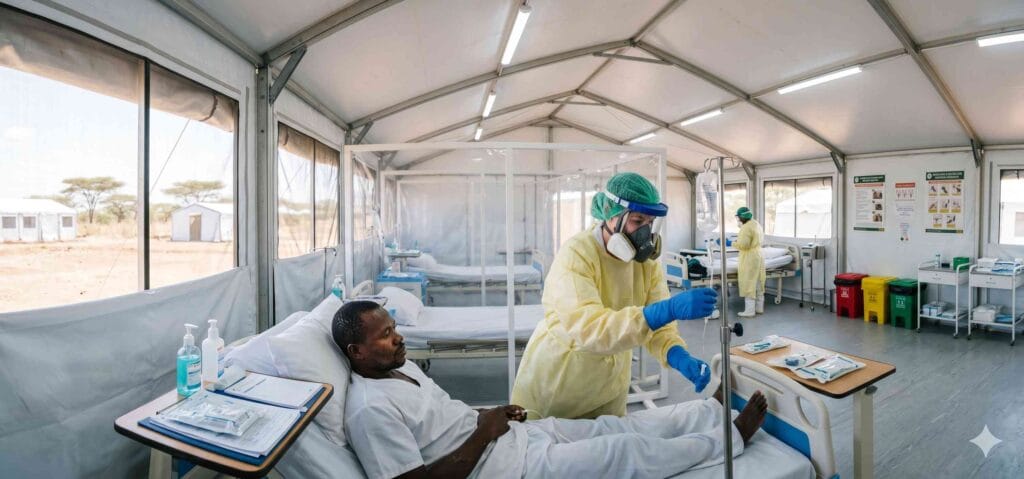
Healthcare worker in full PPE treating an Ebola patient inside a medical treatment unit in sub-Saharan Africa

Ebola Virus Disease: Causes, Symptoms, Treatment & 2026 Outbreak

Ebola remains one of the world's deadliest viruses. With a new outbreak declared in DRC's Ituri province in 2026, understanding Ebola's causes, symptoms, and treatment has never been more critical
🎯 KEY INSIGHT: Ebola kills up to 90% of infected patients without prompt treatment
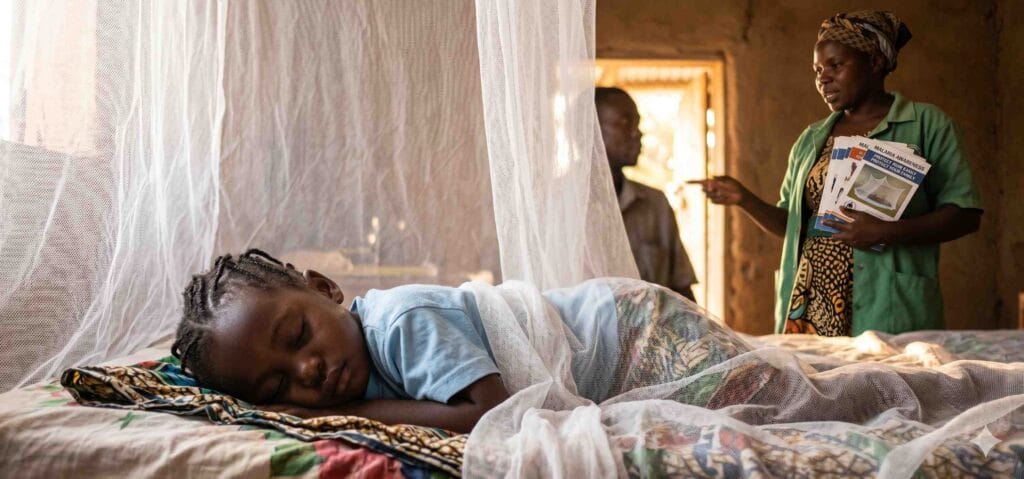
Child sleeping under a mosquito net on World Malaria Day 2026, representing global efforts to end malaria through prevention and awareness

World Malaria Day 2026: The World Is Closer Than Ever to Ending Malaria — But the Clock Is Ticking

World Malaria Day 2026 falls on April 25 with a bold new rallying call. Billions saved, vaccines deployed — yet a $5.4 billion funding gap threatens everything. Here is the full picture
🎯 KEY INSIGHT: 2.3 billion malaria cases averted since 2000 — but funding crumbles.
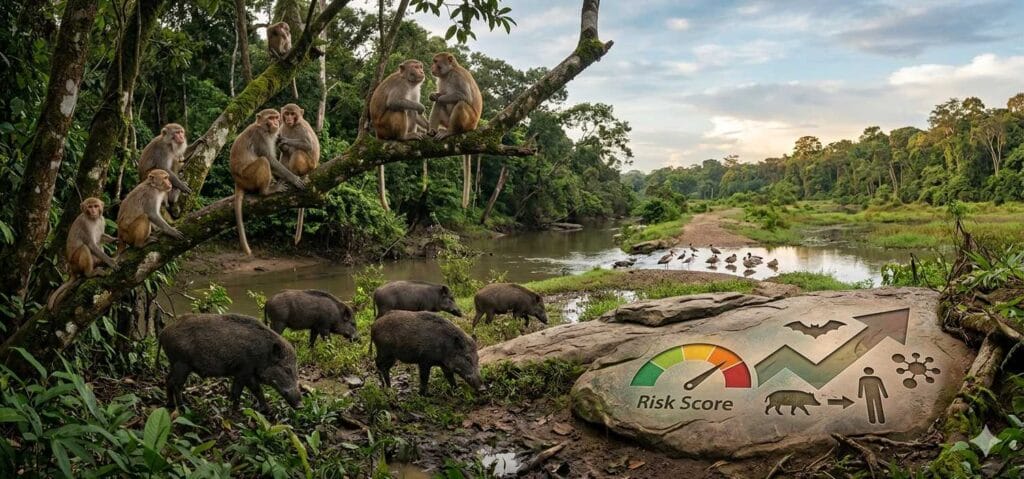
zoonotic animals

WHO develops indicators for zoonotic disease risk

WHO-PREZODE develops actionable indicators assessing zoonotic disease emergence risk through pathogen circulation tracking and spillover analysis. Validated with avian influenza and MERS-CoV data, these tools effectively guide prevention strategies to measure, monitor, and mitigate threats.
🎯 KEY INSIGHT: Validated indicators transform zoonotic disease risk assessment into actionable prevention

Why Vaccination Myths Still Exist (And How to Tackle Them)

Vaccination myths persist due to misinformation, mistrust, and social media influence. Combating them requires clear communication, community engagement, and strong healthcare advocacy to ensure better public health outcomes.
🎯 KEY INSIGHT: Misinformation and mistrust sustain vaccine myths; trust-based communication counters them

Cold Chain Maintenance in Immunization Programs

Cold chain maintenance ensures vaccines remain effective by preserving them at recommended temperatures from production to administration. Proper storage, transport, monitoring, and trained personnel are essential for successful immunization programs and preventing vaccine-preventable diseases.
🎯 KEY INSIGHT: Cold chain failure reduces vaccine effectiveness and immunization success

World TB Day 2026: A Public Health Call to End TB

Governments must lead through robust policies, adequate funding, and strengthened healthcare systems, while communities must contribute through awareness, early diagnosis, and adherence to treatment.
🎯 KEY INSIGHT: Early detection and treatment are key to tuberculosis control

Antibiotic-enzyme combo may hold key to stopping an infection relapse

A BITS Pilani study explores how to tackle stubborn, recurring infections by targeting biofilms—bacterial “fortresses” that resist antibiotics—offering a promising strategy to prevent relapse and improve treatment effectiveness.
🎯 KEY INSIGHT: Antibiotic enzyme combinations reduce risk of infection relapse

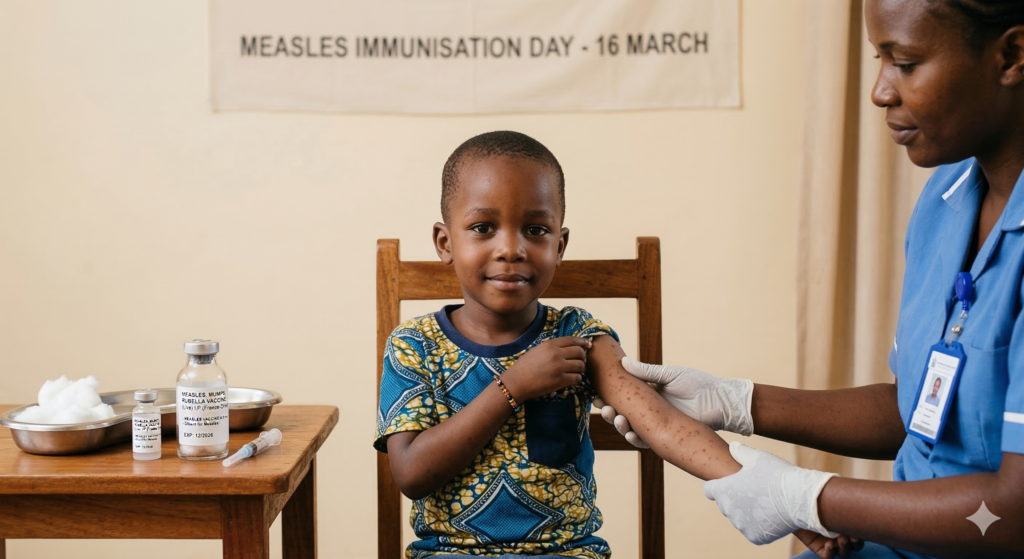
Measles Immunization Day: Protecting Children Through Vaccination

World Measles Immunization Day highlights the critical importance of vaccination in preventing measles, one of the most contagious viral
🎯 KEY INSIGHT: Measles vaccination prevents infection and reduces outbreak risk

Immunization & Vaccines

Vaccines, immunization programmes, cold chain systems, vaccine hesitancy, and public health protection.

Disease Epidemiology & Management

Disease transmission, epidemiology, outbreak patterns, diagnosis, and communicable disease management.

Surveillance & Public Health Programmes


Disease surveillance systems, outbreak response strategies, and national public health programmes.

Scroll to Top

🎉 You’re on the early access list!

We’ll notify you via Email when MResPilot Pro launches 🚀

Login to Continue