
Mental Health
Mental health is no longer a background concern — it’s a frontline public health emergency. In India alone, over 197 million people live with a mental health condition, yet fewer than 1 in 10 receive adequate care. For medical students and healthcare professionals, understanding the science of mental well-being is as critical as any clinical skill.
This hub explores evidence-based mental health insights — from the neuroscience of sleep and depression to the growing crisis of student burnout, anxiety disorders, and the psychological burden of chronic illness. Whether you’re here to learn, research, or screen, you’ll find it all in one place.
What you’ll find here:
- Depression, anxiety, and mood disorder awareness
- Mental health in medical students and healthcare workers
- Sleep science and its clinical significance
- Validated screening tools — PHQ-9 and GAD-7 calculators
- Research angles on mental health epidemiology in India
- Evidence-based coping strategies and treatment approaches
Use the screening tools on this page for educational purposes, and explore the articles below to stay current with mental health research.

Always Tired After Full Sleep? Causes & Natural Fixes
- Source: MResPilot

Why Mental Health Problems Are Increasing Among Students?
- Source: (Featured), MResPilot

Exercise for Depression Yields Similar Results to Therapy, Research Says
- Source: Healthline
PHQ-9 Depression Calculator
PHQ-9 is © Pfizer Inc. Used for clinical screening purposes. This tool is for screening only and not a diagnostic instrument.
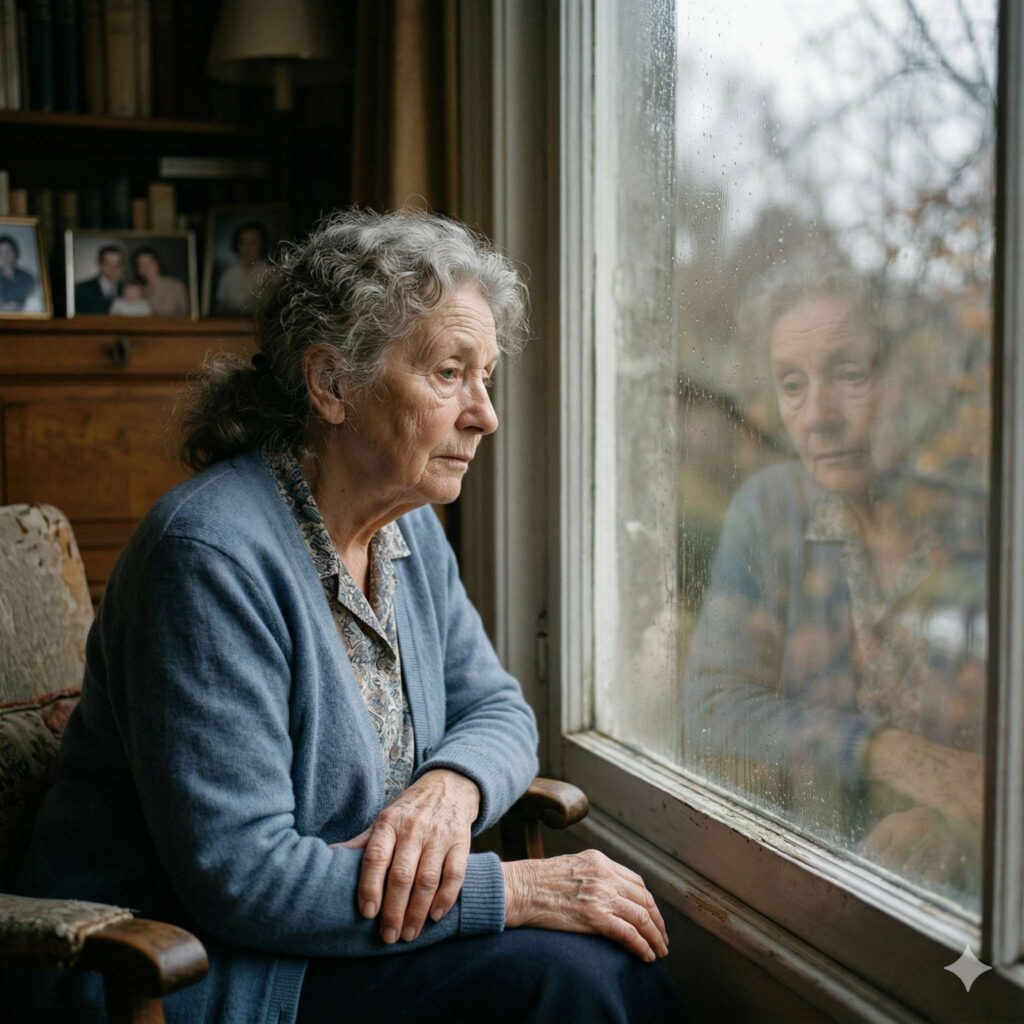
Depression is not a normal part of growing older

What is depression and what can I do about it?
- Source: Medical News Today
Mind Matters: Words That Heal
“Silent weight that shadows every day,
Where light feels distant, slowly fading gray.
Yet in the dark, a spark still finds its way—
A quiet hope that whispers, “You can stay.”
– MResPilot
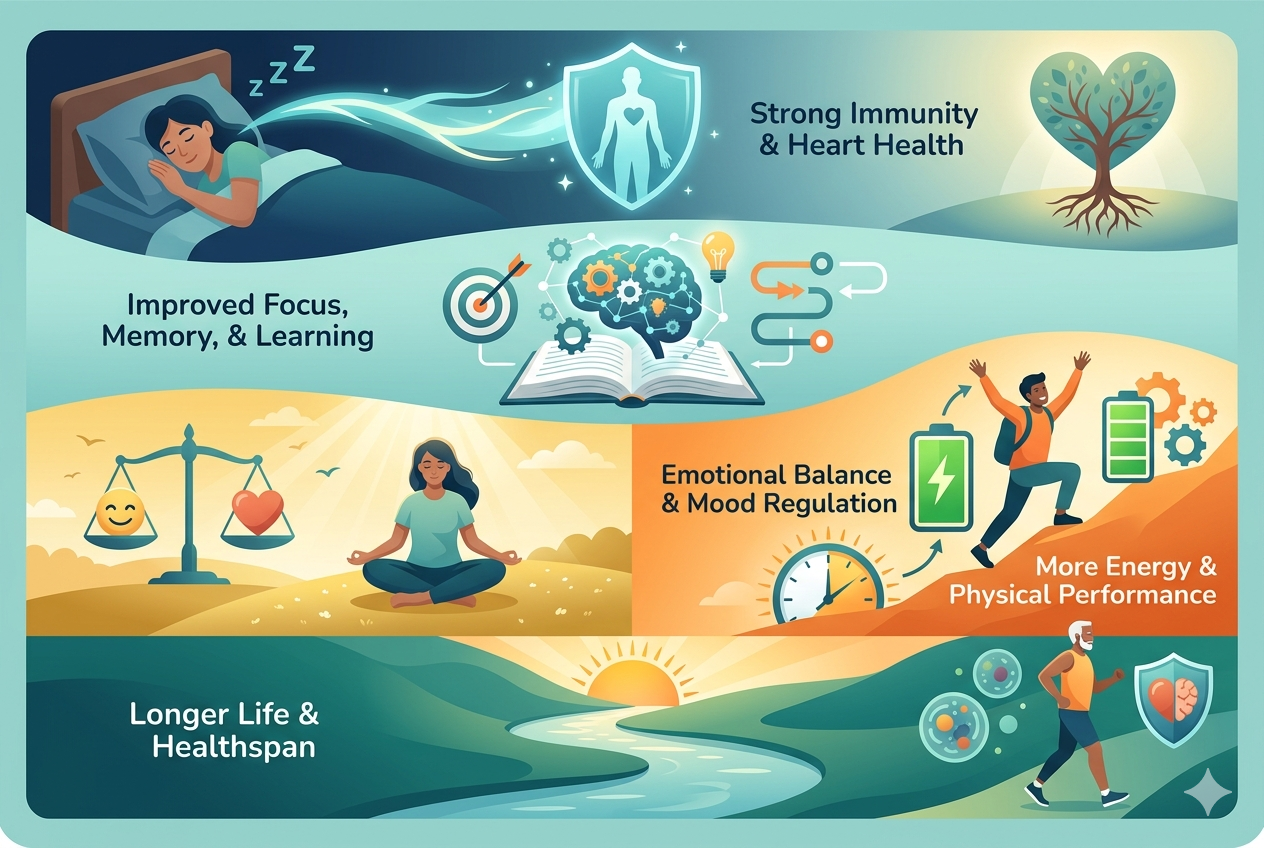
Benefits of Sound Sleep 🛏️
GAD-7 Anxiety Calculator
GAD-7 is used for clinical screening purposes. This tool is not a diagnostic instrument.