
Non-Communicable Diseases
Non-communicable diseases (NCDs) are now responsible for 74% of all deaths globally — and India is at the epicentre. Cardiovascular disease, type 2 diabetes, chronic respiratory conditions, and cancer are no longer diseases of affluence. They are silently reshaping the health of entire populations, driven by lifestyle, environment, and unequal access to early detection.
This hub offers clinically relevant, evidence-based content on NCDs for medical students, researchers, and health-conscious individuals. From understanding why hypertension goes undetected for years to the blood sugar science behind your afternoon energy crash — we break down complex conditions into actionable insight.
Topics covered include:
- Hypertension, diabetes, and cardiovascular disease in India
- Early screening and prevention strategies for NCDs
- Lifestyle risk factors: diet, physical inactivity, tobacco, and stress
- COPD and chronic respiratory disease management
- Student Corner: quick revision notes and MCQs on NCD basics
- Research angles and PICO frameworks for NCD studies
💡 Did you know? 1 in 5 adults in India has hypertension — and more than 50% are unaware. The articles below are your starting point for understanding, preventing, and researching these silent killers.

That Morning Joint Stiffness Isn’t “Just Aging” — What Doctors Want You to Know About Osteoarthritis
- Source: MResPilot
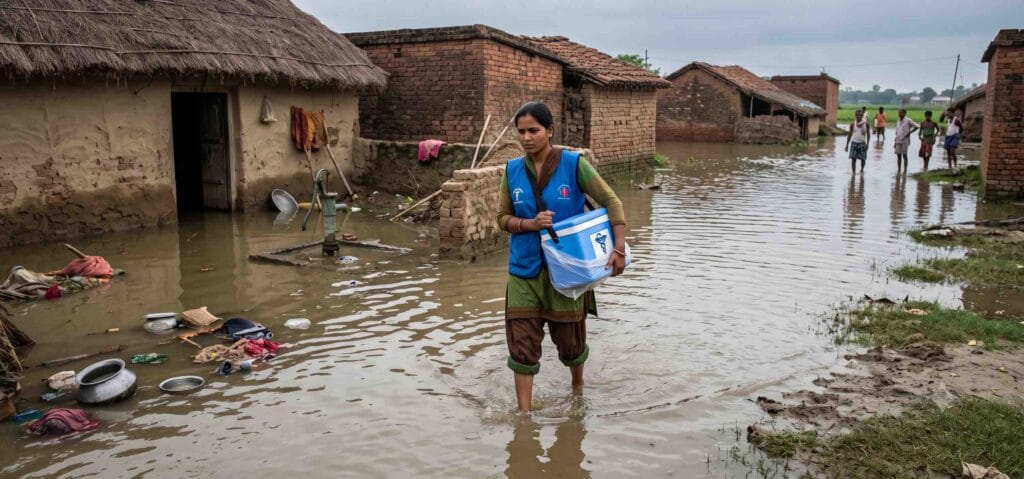
Beyond Floods: Why India’s Monsoon Preparedness Must Also Mean Snakebite Readiness
- Source: MResPilot
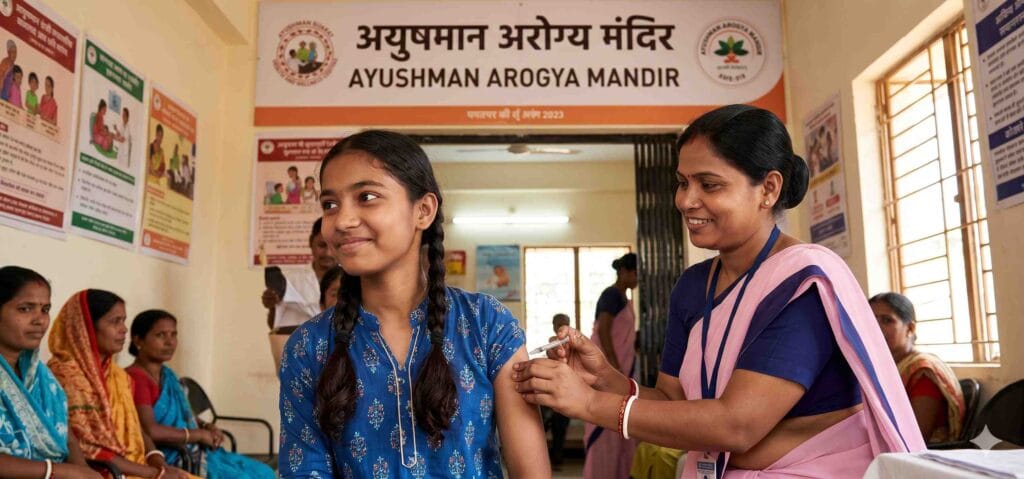
Free HPV Vaccination in India 2026: Everything You Need to Know About the National Campaign
- Source: MResPilot

India’s Salt Switchover: Why Public Health Experts Want You to Drop Table Salt and Embrace Low-Sodium Alternatives
- Source: MResPilot

Breathing Exercises with COPD
- Source: Healthline
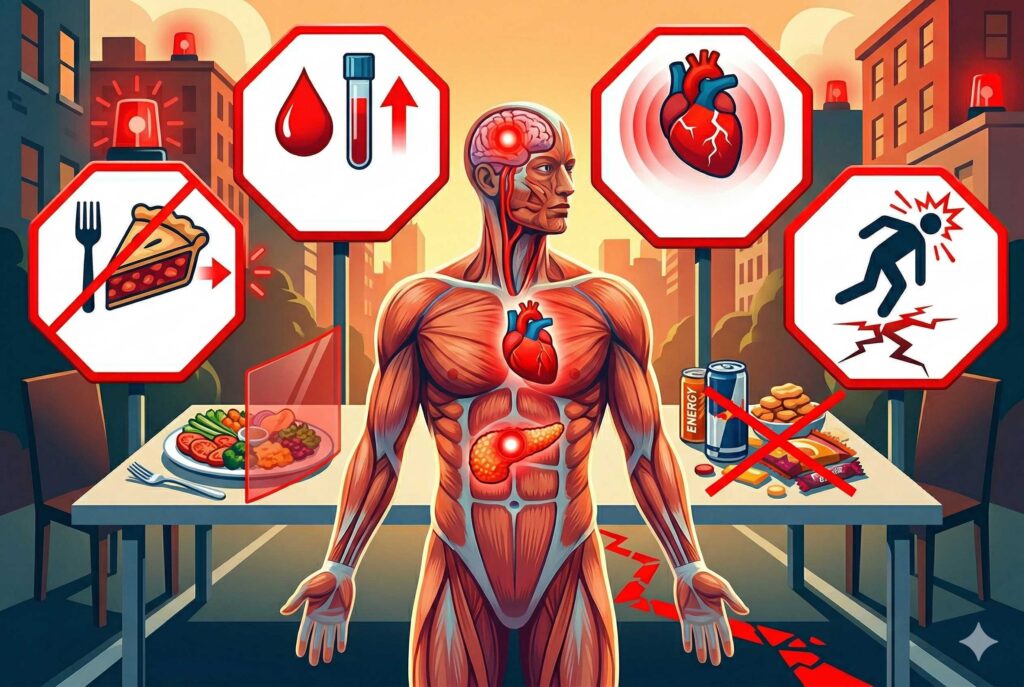
Silent Killers: Why Waiting for Symptoms Is a Mistake
- Source: (Featured), MResPilot
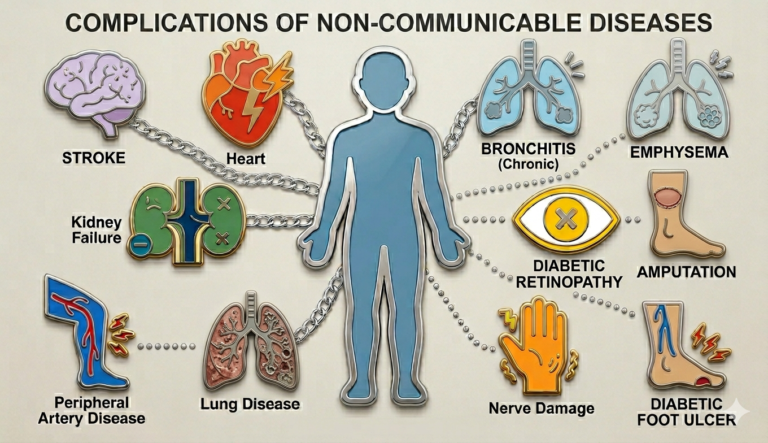
Student Corner 🧑🏻🎓🧑🏻🎓
NCD Quick Revision – Basics
• Chronic diseases with long duration and slow progression
• Major types include cardiovascular diseases, diabetes, cancer
• Key risk factors: tobacco use, unhealthy diet, physical inactivity
• Responsible for majority of global deaths
• Most are preventable through lifestyle modification
🧠 Test Yourself
Lifestyle Diseases and Risk Factors
Understanding behavioral, environmental, and metabolic factors driving modern chronic diseases
Chronic Disease Epidemiology and Management
Exploring patterns, prevention, treatment, and long-term management of chronic illnesses
NCD Screening, Surveillance and Public Health Programmes
Tracking disease trends through screening systems, surveillance, and national health programmes